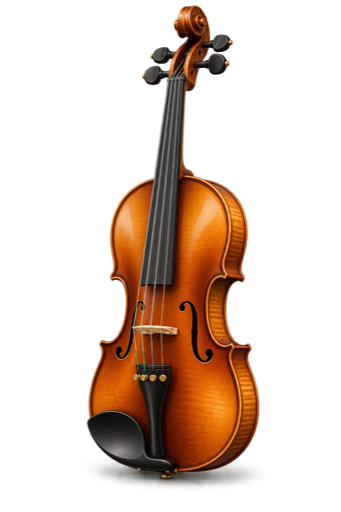
How to tune a double bass
The four-string bass almost always uses orchestral tuning E1-A1-D2-G2, in fourths; begin on the 4th string (E) and work up. Low strings answer slowly, so pluck and wait two or three seconds before reading the display. Solo repertoire is often played with the whole instrument a whole step higher: F#1-B1-E2-A2. A five-string bass adds a low B0 below the E. After switching tuning presets, re-tune every string instead of reusing the previous readings.
Double bass tuning tips
The bass is the lowest instrument this tool covers: B0 is about 30.9 Hz and E1 about 41.2 Hz. Low notes decay fast and room noise interferes, so keep the body close to the microphone, pluck with consistent force or use long bow strokes, and let the note ring for two or three seconds. The tuning machines are heavy — steady the neck with one hand and make several small turns rather than one large one. If the fine tuners can no longer bring a string up to pitch, the machines or fine tuners need servicing.
Is microphone audio uploaded?
No. Web Audio analyzes sound in real time on your device. This page does not record, upload or store microphone audio.
Frequently asked questions
How far apart are orchestral and solo tuning?
Solo tuning raises all four strings by a whole step: orchestral E1-A1-D2-G2 becomes F#1-B1-E2-A2. Much of the solo repertoire is notated for that tuning.
Can the tuner detect a low B0?
Yes. B0 is about 30.9 Hz and needs a longer analysis window, which this tool enlarges automatically for low instruments. Keep the bass close to the microphone and let the note ring for two or three seconds.
Should I tune a four-string or a five-string bass?
A five-string bass adds a low B0 below the E, common in modern writing that needs a low C. Switch to the five-string preset and re-tune every string.
Why does the low string reading keep jumping?
Low strings have few overtones and decay quickly, so room noise and uneven plucking both show up as jumps. A quiet room, a closer microphone and even plucking force settle it down.
